


Slots, Poker, and the Real Math Behind iGaming Wins
Most players never stop to ask why the casino always seems to win in the long run. They just spin, lose, deposit again, and blame bad luck. The truth is fa
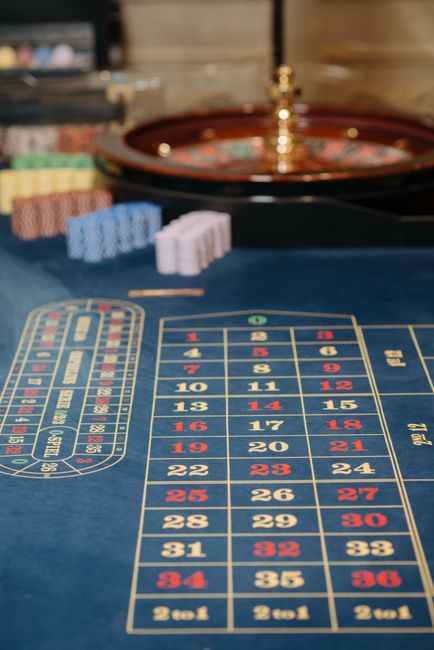
Most players never stop to ask why the casino always seems to win in the long run. They just spin, lose, deposit again, and blame bad luck. The truth is far less mystical and far more mathematical. Every game you touch on an iGaming platform, whether it's a five-reel slot, a poker table, or a live dealer roulette wheel, runs on numbers that were decided long before you clicked "bet." Understanding those numbers is the single biggest edge a recreational player can gain.
This isn't about turning you into a professional gambler. It's about helping you recognize which games give you a fighting chance, which ones bleed you dry, and how operators actually make their money. Once you see the machinery, the whole experience gets sharper.
The House Edge Is Not a Scam, It's a Business Model
Every casino game has a built-in mathematical advantage for the operator. That's how they stay in business. The size of that advantage varies wildly between games, and knowing the difference is where smart players separate themselves from the crowd.
Consider a few common examples:
- Blackjack (basic strategy): House edge around 0.5% when played optimally.
- Baccarat (banker bet): About 1.06%.
- European roulette: 2.7% thanks to that single zero.
- American roulette: 5.26% because of the double zero.
- Video slots: Typically 2% to 10%, depending on the RTP setting.
- Keno and scratch cards: Often 20% to 35%.
That gap between 0.5% and 25% is enormous over hundreds of sessions. A player who bounces between blackjack and keno is essentially choosing between a slow leak and a broken dam. Nothing about the game feels different in the moment, which is exactly why the math matters more than the emotion.
RTP, Volatility, and Why Slots Feel Unfair
Slot players complain constantly that a machine "went cold." It didn't. Slots don't have moods. What they have is a Return to Player percentage and a volatility profile, and those two numbers explain almost everything about how a session unfolds.
RTP is the theoretical percentage of all wagered money that gets returned to players over millions of spins. A 96% RTP slot keeps 4% for the house over the long run. But here's the catch: that return doesn't happen evenly. A slot with high volatility might pay 96% back through a handful of massive wins spaced hundreds of spins apart, while a low-volatility slot dribbles small wins every few spins and returns the same 96% in a much smoother line.
Practical takeaways:
- Always check the RTP before committing to a slot. It's usually buried in the paytable or help menu. Anything below 95% is a tough sell.
- Low volatility suits longer sessions with a smaller bankroll.
- High volatility suits players chasing big multipliers who can stomach long dry spells.
- "Hot" and "cold" streaks are statistical noise, not signals.
A 96% RTP slot that pays one 5,000x max win every 200,000 spins is not the same product as a 96% slot with a 500x cap and frequent 20x hits. Both are technically fair. Only one will match your temperament.
Poker Is the One Game Where Skill Actually Beats the House
Here's the thing that separates poker from everything else in the iGaming world: you're not playing against the casino. You're playing against other people. The house just takes a rake, usually somewhere between 2.5% and 10% of the pot, capped at a few dollars in most cash games.
That changes the entire dynamic. In slots, the best player in the world still loses to a bad RTP over time. In poker, a skilled player can and does win consistently, because the money flows from weaker opponents to stronger ones. The rake is a tax, but it's a tax you can overcome. See LLWIN for a side-by-side comparison.
What actually drives poker profit:
- Position: Acting last gives you more information and more control.
- Bankroll management: Never sit at a table with more than 5% of your total roll in cash games.
- Opponent selection: A weak table is worth more than a fancy strategy.
- Discipline: Folding marginal hands in tough spots saves more money than hero calls earn.
The rake structure also matters more than most players realize. A 5% rake with no cap punishes high-stakes pots brutally, while a capped rake is far friendlier. If you're grinding micro-stakes, those caps rarely matter. If you're playing higher, they define your win rate.
Betting Markets and the Margin Hidden in the Odds
Sports betting looks different from casino games because the odds feel like objective predictions. They're not. Every price you see carries a built-in margin for the bookmaker, and reading that margin is a skill worth developing.
Take a simple two-way market. If both sides were truly 50/50, fair odds would be +100 on each. In reality, a book might offer -110 on both sides. That 10-cent gap is the vig, or juice, and it's how the sportsbook guarantees profit regardless of the outcome. On a coin-flip market, that's about a 4.5% margin. On moneylines and obscure markets, it creeps higher, sometimes past 8%.
How to spot value:
- Convert odds to implied probability and add both sides together. Anything above 100% is the book's cut.
- Compare the same market across multiple operators. Lines move, and shopping prices is free money over time.
- Fade exotic props and same-game parlays unless you understand the correlated pricing.
- Track your closing line value, not just your win rate. It's the best predictor of long-term profitability.
Parlays deserve a special warning. They feel generous because the payouts are huge, but the book's margin compounds with every leg you add. A three-leg parlay at -110 each might carry a 12% to 15% effective hold. Fun, yes. Friendly to your bankroll, no.
Bonuses, Wagering, and the Fine Print That Eats You Alive
Welcome bonuses are marketing, not generosity. A 100% match up to $500 with a 40x wagering requirement means you'd need to bet $20,000 before withdrawing a cent from that $500. If the bonus applies to slots at 100% contribution, that's roughly $20,000 in spins. If it applies to a 96% RTP slot, the expected loss on that turnover is about $800. The bonus is gone before you finish.
Before claiming anything, ask three questions: What's the wagering requirement? What's the maximum bet during wagering? And what's the max cashout? That last one is the killer. A "100% up to $1,000" bonus with a $100 max cashout is worth $100, not $1,000.
None of this means bonuses are worthless. Reload offers, cashback deals, and rakeback in poker can be genuinely valuable if the terms are reasonable. But the headline number is almost never the real number.
The Bottom Line for Anyone Playing iGaming Seriously
The casino industry isn't rigged in the sense that games are dishonest. Regulated operators publish their RTPs, their rake structures, and their odds. The information is right there. The trick is that most players never look.
If you take nothing else from this, take this: choose games with a low house edge, understand your volatility tolerance, and treat bonuses as conditional offers rather than free money. Poker is the one corner of iGaming where sustained profit is realistic, and even there, the rake and your own discipline decide the outcome. Slots and sports betting are entertainment products with a cost attached. That's not cynicism, it's just the math, and the math doesn't care how you feel about it.


Post a comment